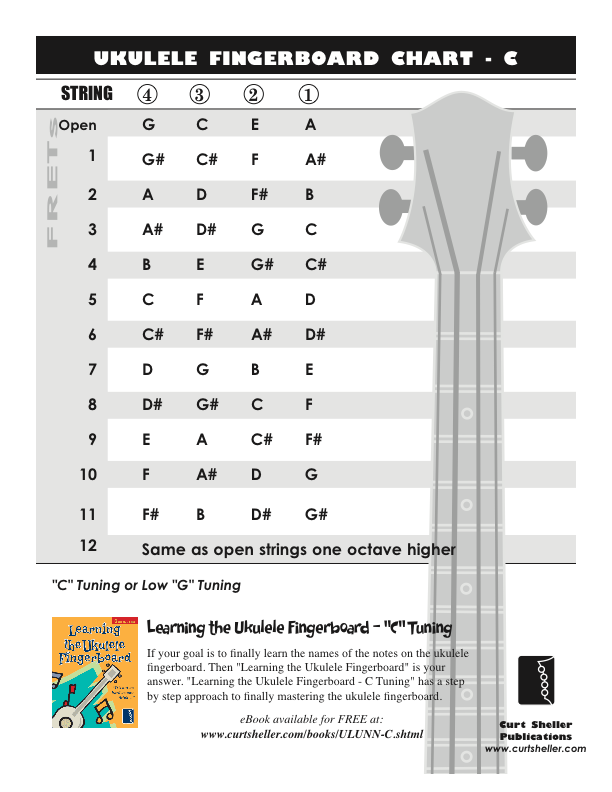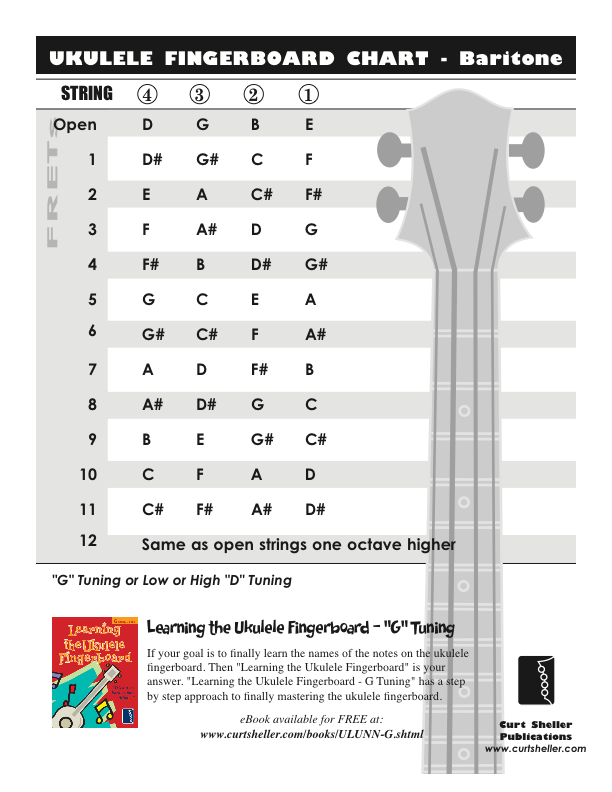

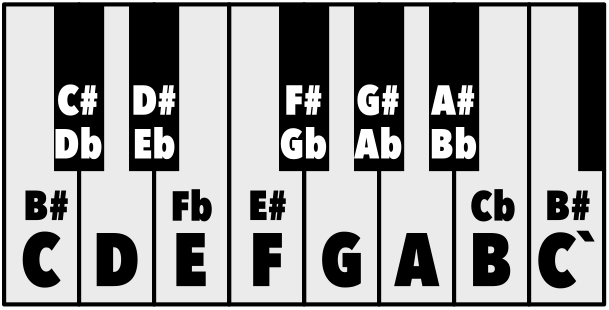
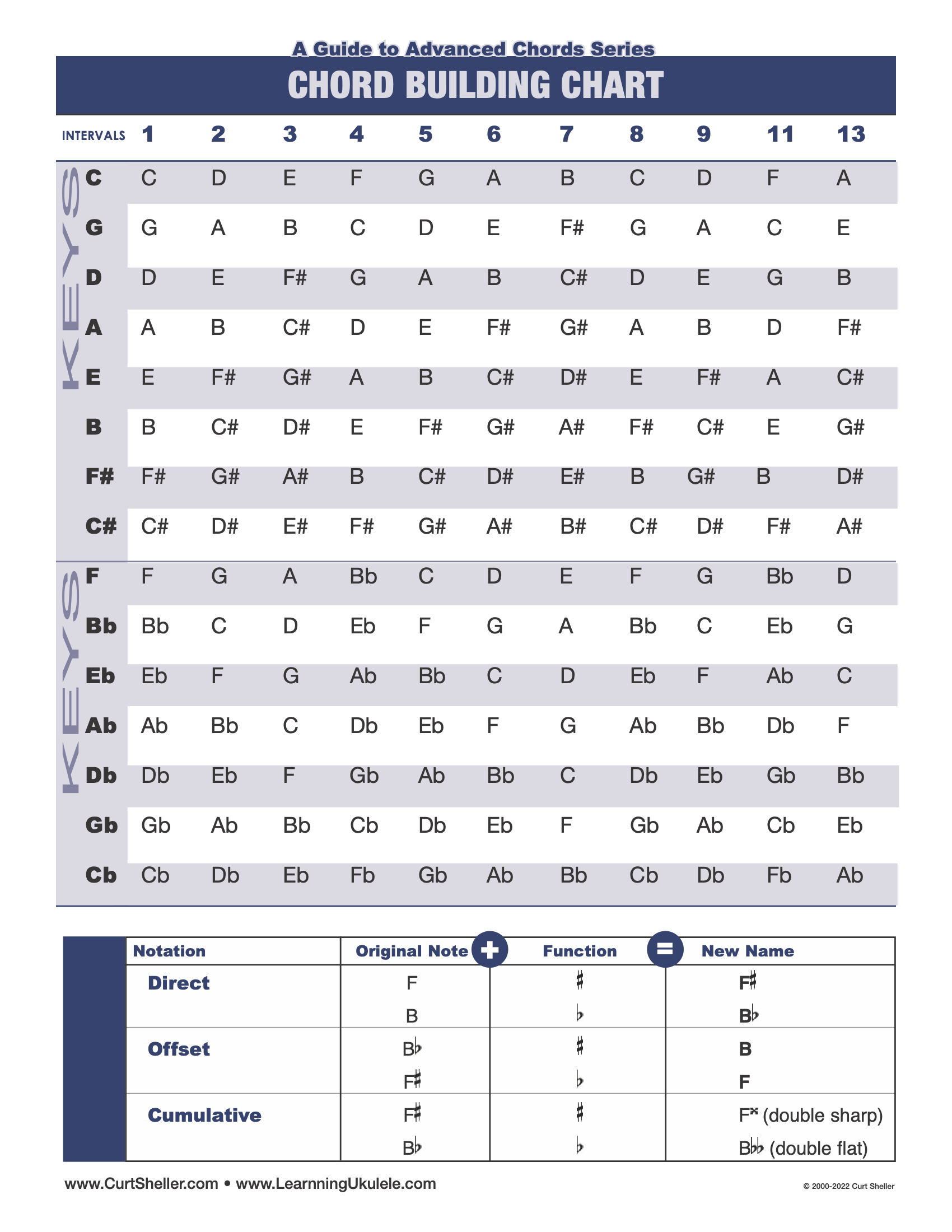
An "Enharmonic Equivalent" is where a musical pitch can have different names depending on the context in which it is functioning. An example is G# produces the same pitch as Ab but have different standard notations when written in music.
Subjects(s): Theory • Reading • Beginner • Intermediate • Advanced • Enharmonic


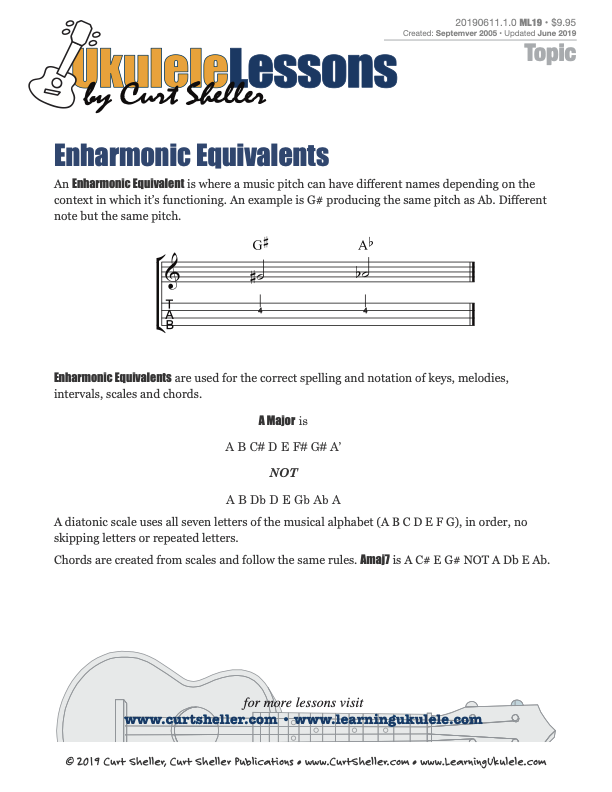
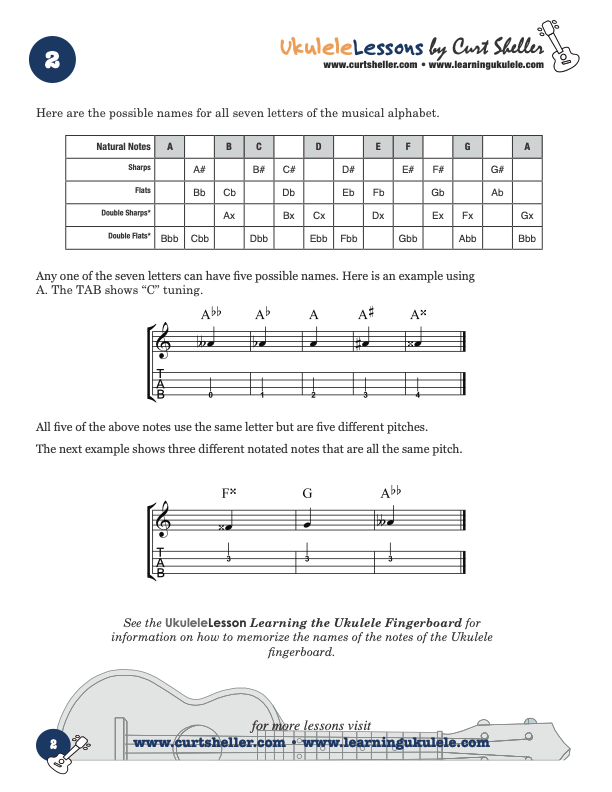
An Enharmonic Equivalent is where a musical pitch can have different names depending on the context in which it is functioning. An example is G# produces the same pitch as Ab.

- A# <=> Bb
- B# <=> C
- C# <=> Db
- D# <=> Eb
- E# <=> F
- F# <=> Gb
- G# <=> Ab
- Ab <=> G#
- Bb <=> A#
- Cb <=> B
- Db <=> C#
- Eb <=> D#
- Fb <=> E
- Gb <=> F#
An Enharmonic Equivalent is where a musical pitch can have different names depending on the context in which it is functioning. An example is G# produces the same pitch as Ab.
- A# <=> Bb
- B# <=> C
- C# <=> Db
- D# <=> Eb
- E# <=> F
- F# <=> Gb
- G# <=> Ab
- Ab <=> G#
- Bb <=> A#
- Cb <=> B
- Db <=> C#
- Eb <=> D#
- Fb <=> E
- Gb <=> F#
Enharmonic Equivalents
C♯
C♭


Related Lessons, Videos, Lesson Series, Songs, Books & Reference Charts, Resources & Assets, Workshops are below.

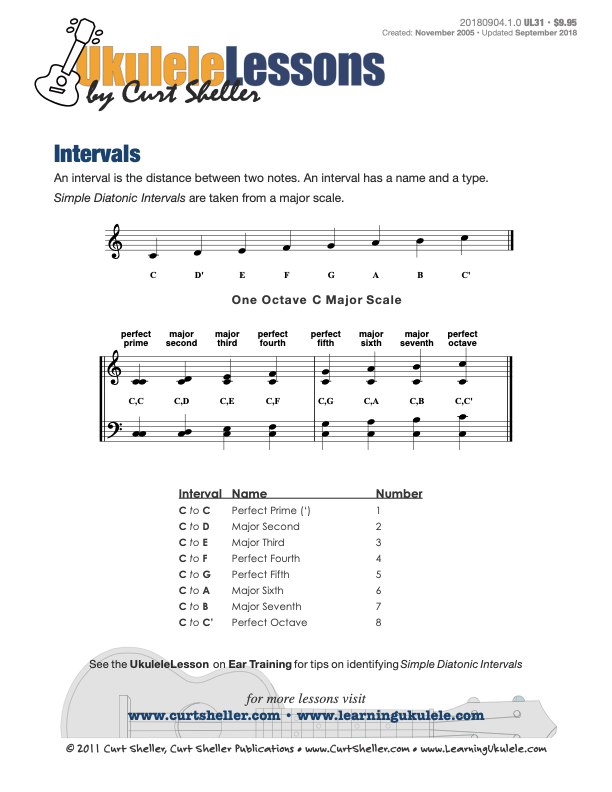
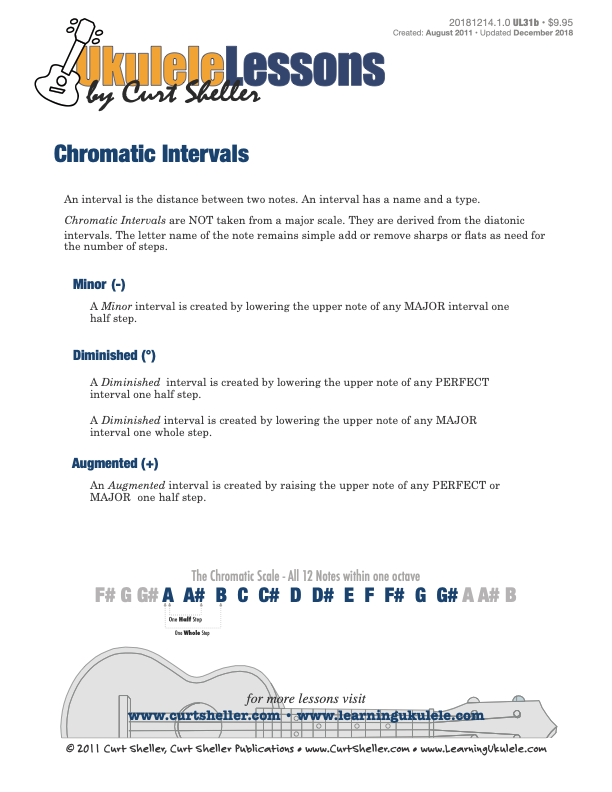
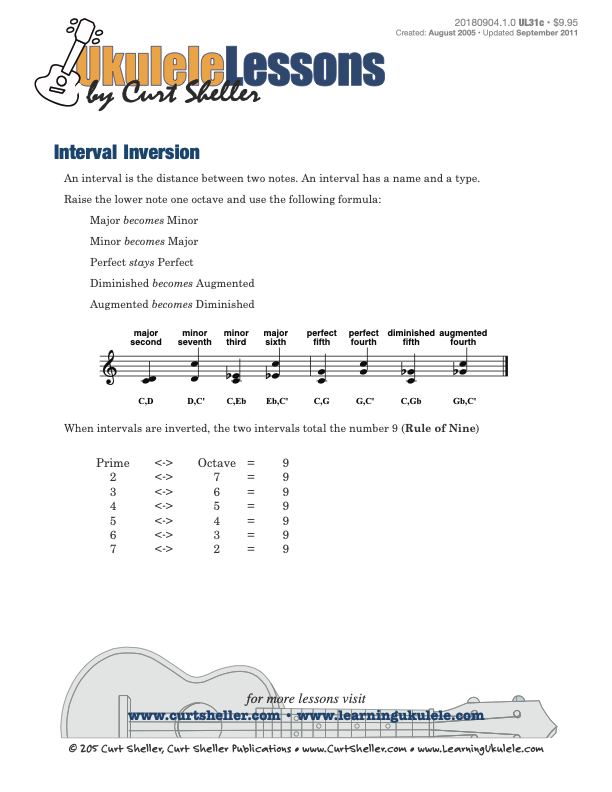
An interval is the distance between two notes. An interval has a name and a type. Intervals can be played one note (melodic) or two notes (harmonic) at a time, ascending or descending. Simple and Compound Intervals are taken from a major scale. Chromatic Intervals are NOT taken from a major scale. They are derived from the diatonic intervals.
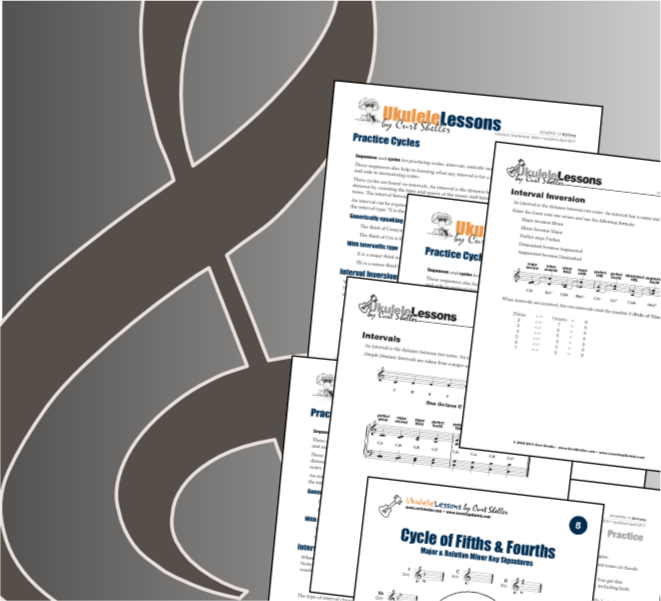

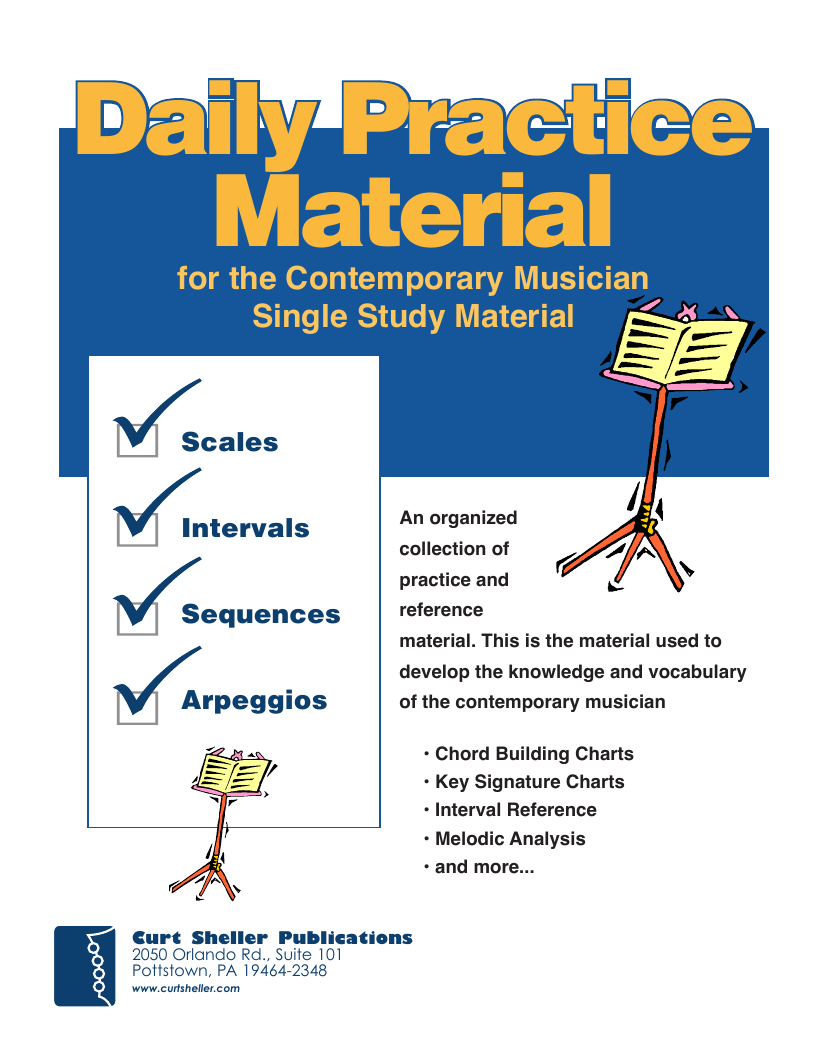
Daily Practice Material for the Contemporary Musician is an organized collection of daily practice and reference material for the contemporary ukulele player. This material can be used to develop the vocabulary and knowledge necessary for single note playing.


return in your investment)—it is this— learning the
f*ckingnotes of your OWN instrument. Sorry for the tough talks—but it is sooooo true!