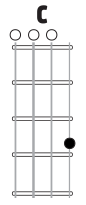

The secondary chords for any major key are the II, III and VI chords of its corresponding major scale. For C# Major, the secondary chords are: D#m, E#m and A#m. From the primary and secondary chords of a major key, countless songs and chords progressions can be played.
Subjects(s): Chords • Theory • Scales • Progressions • Keys


The secondary chords for any major key are the II, III and VI chords of its corresponding major scale. For C# Major, the secondary chords are: D#m, E#m and A#m.
From the primary and secondary chords of a major key, countless songs and chords progressions can be played.
Available for Premium Site Access Plans Only


Related Lessons, Videos, Lesson Series, Songs, Books & Reference Charts, Resources & Assets, Workshops are below.
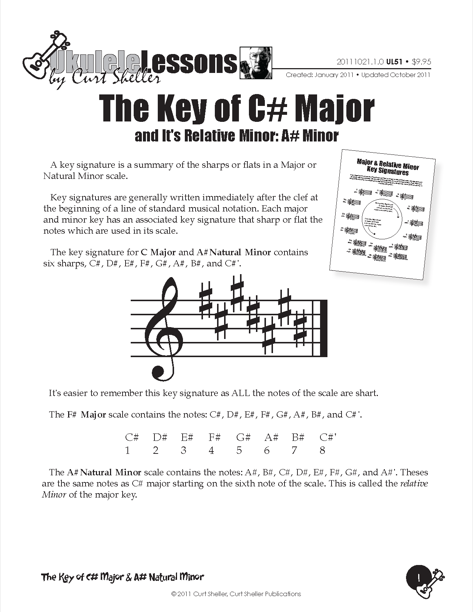
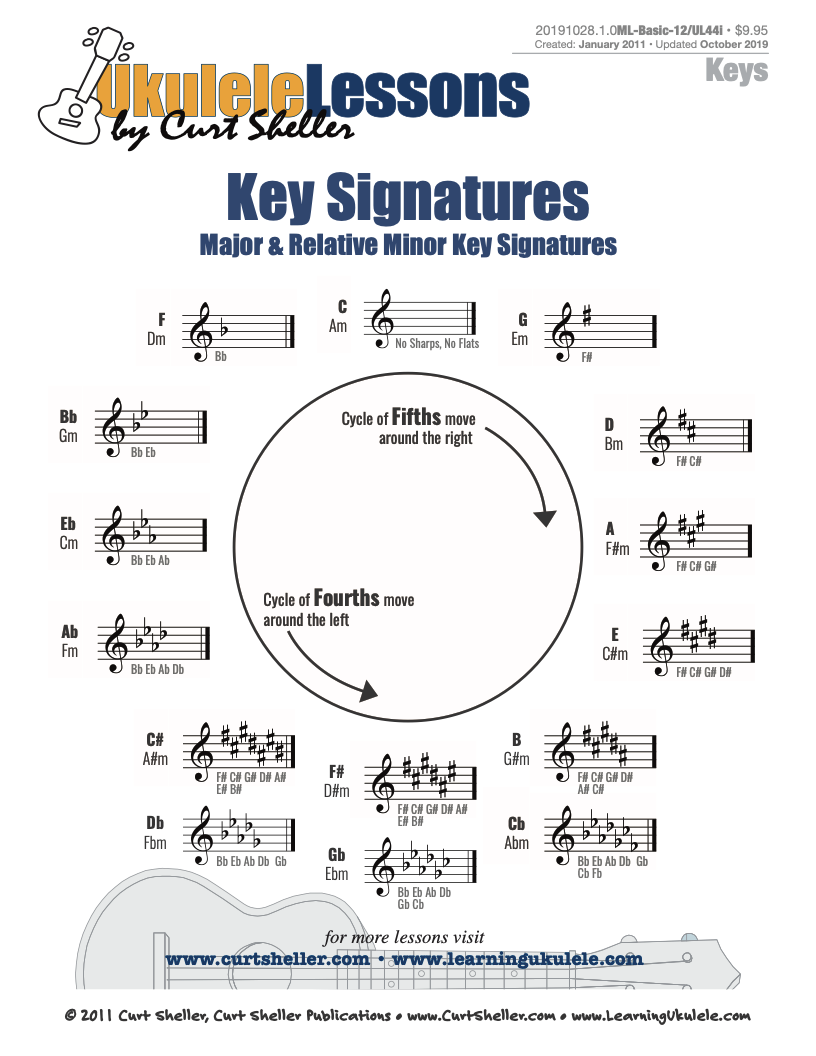
"C# Major" (or the key of C#) is a major scale based on C#, with the pitches, all sharps C# D# ES F# G# A#. Its key signature has seven sharps: F# C# G# D# A# E# B#. Its Relative Minor scale is A# Minor. Its Parallel Minor is C# Minor, and its enharmonic equivalent is Db minor. C# is a somewhat easy key and scale to memorize as all the note are sharp.

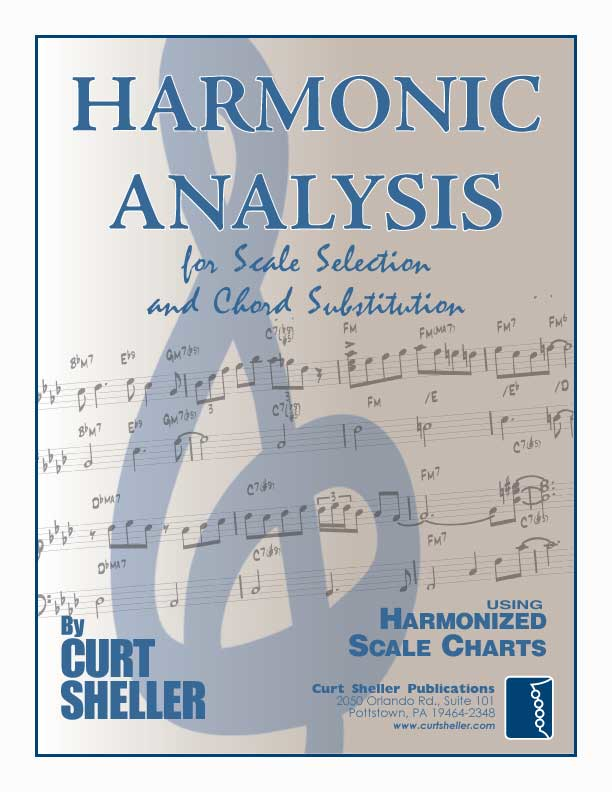
Harmonic Analysis is the understanding of the functional sequence of chords. It is the process used to analyze the harmonic structure of a progression, song or composition. This analysis is then used to make scale selections for improvisation and chord substitution.


return in your investment)—it is this— learning the
f*ckingnotes of your OWN instrument. Sorry for the tough talks—but it is sooooo true!